
Marriage-Based Green Card
A marriage-based green card allows the spouse of a U.S. citizen or lawful permanent resident to obtain permanent residence in the United States. This is one of the most common and direct paths to a green card, enabling couples to build their lives together in America.
Who Qualifies
You may qualify if you are legally married to a U.S. citizen (immediate relative) or a lawful permanent resident (family preference category F2A). The marriage must be genuine and entered in good faith—not solely for immigration benefits. Same-sex marriages are fully recognized.
Key Features
Immediate relatives of U.S. citizens have no annual visa limits and can apply immediately. Spouses of citizens married less than 2 years receive a conditional green card. The process includes Form I-130 petition, I-485 adjustment of status (if in U.S.), or consular processing (if abroad).
Duration
For U.S. citizen spouses: typically 12-24 months. For permanent resident spouses: 2-3+ years due to visa availability. Conditional green cards (married less than 2 years) must have conditions removed via I-751 before the 2-year expiration.

Fiancé(e) Visa (K-1)
The K-1 Fiancé(e) Visa allows U.S. citizens to bring their foreign fiancé(e) to the United States for the purpose of marriage. Once in the U.S., the couple must marry within 90 days, after which the foreign spouse can apply for a green card.
Who Qualifies
The petitioner must be a U.S. citizen (not available for permanent residents). Both parties must be legally free to marry, have met in person within the past 2 years (with limited exceptions for cultural or extreme hardship reasons), and intend to marry within 90 days of entry.
Key Features
Allows entry before marriage occurs, 90-day marriage requirement, fiancé(e) can bring minor children (K-2 visa), dual intent permitted, leads to adjustment of status after marriage. The K-1 holder cannot work until receiving an Employment Authorization Document.
Duration
Current processing times: I-129F petition approval: 6-12 months, followed by consular interview: 2-4 months. Total timeline typically 10-18 months from petition to U.S. entry. After entry, marriage must occur within 90 days.

Removal of Conditions (I-751)
The I-751 Petition removes the conditions on a two-year conditional green card. Conditional residents who obtained their green card through marriage to a U.S. citizen when married for less than 2 years must file this petition to become permanent residents.
Who Qualifies
Conditional permanent residents who obtained their status through marriage and whose 2-year conditional green card is about to expire. Must be filed jointly with spouse in most cases, though waivers are available for abuse, divorce, or good faith marriage cases.
Key Features
Joint filing with spouse is standard. Waivers available for: domestic abuse, divorce/annulment with good faith evidence, extreme hardship if removed, or spouse's death. Filing receipt extends green card validity for 48 months while case is pending.
Duration
Current processing: approximately 24-36 months for I-751 approval. Filing window: 90 days before card expiration. Waiver cases may be filed at any time before expiration. Late filing requires written explanation and may result in loss of status.
Consular Processing
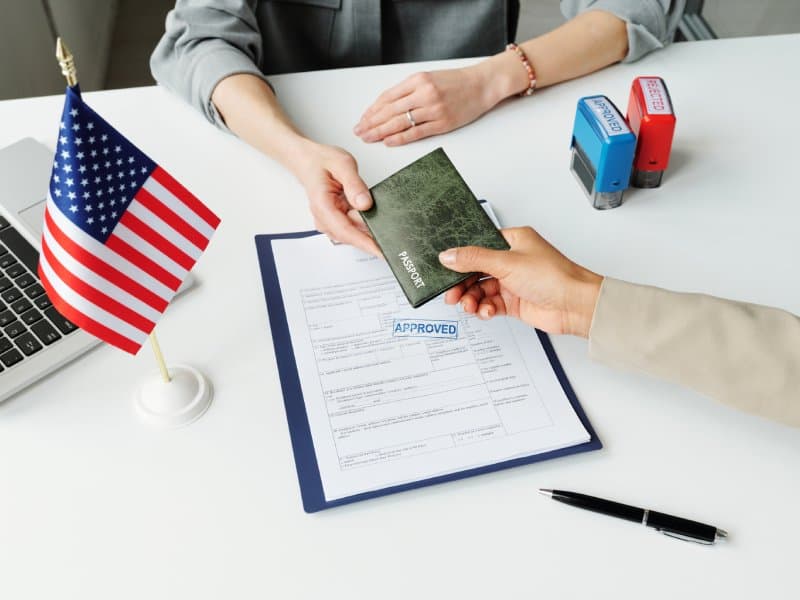
Consular processing is the pathway to obtaining an immigrant visa at a U.S. embassy or consulate abroad. This process is used when the beneficiary is outside the United States or has chosen not to adjust status within the U.S.
Who Qualifies
Beneficiaries of approved immigrant petitions (I-130, I-140, etc.) who are outside the U.S. or who choose to process abroad rather than adjust status. Also required for those ineligible for adjustment of status due to unlawful presence or other bars.
Key Features
Applicant submits DS-260 immigrant visa application online, undergoes medical examination abroad, attends consular interview with supporting documents. If approved, immigrant visa is stamped in passport for U.S. entry. Green card mailed after arrival.
Duration
After petition approval, National Visa Center processing: 2-6 months for document collection. Interview scheduling depends on embassy workload: typically 2-6 months. Total post-approval timeline: 4-12 months depending on embassy and visa availability.
Adjustment of Status (I-485)
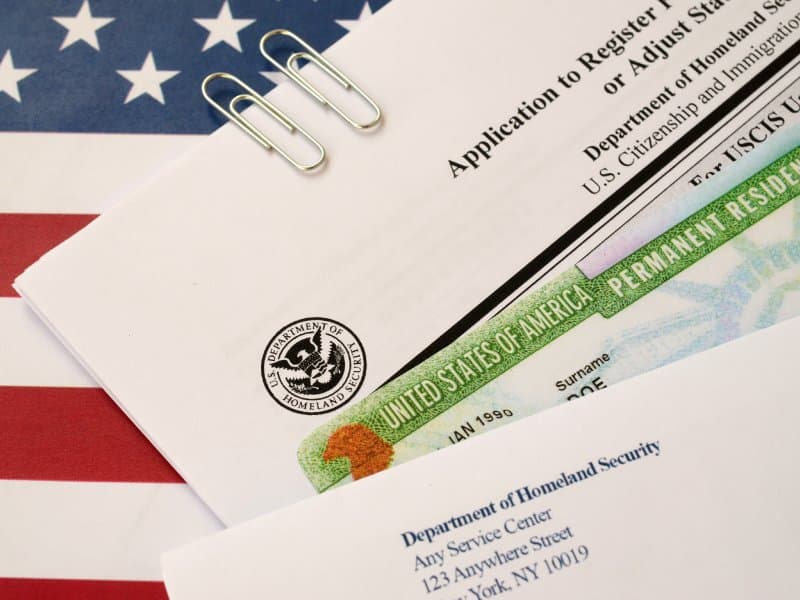
Adjustment of Status (Form I-485) allows eligible individuals already in the United States to apply for lawful permanent residence without leaving the country. This process is available to beneficiaries of family-based, employment-based, and certain other immigrant petitions.
Who Qualifies
Must be physically present in the U.S., have an approved or concurrently filed immigrant petition, have an immediately available visa number, and be admissible to the U.S. (or eligible for a waiver). Most require lawful entry, though exceptions exist for immediate relatives of U.S. citizens.
Key Features
Can remain in U.S. during processing, can apply for work permit (EAD) and travel document (Advance Parole) while pending, interview at local USCIS office. Concurrent filing with I-130 available for immediate relatives of U.S. citizens.
Duration
Processing times vary significantly by USCIS office and category. Family-based cases: typically 12-36 months. Work authorization (EAD) and travel document (AP) usually issued within 3-6 months of filing. Interview scheduling depends on local office backlog.

Family Petitions (I-130)
Form I-130, Petition for Alien Relative, is the first step in helping eligible family members immigrate to the United States. U.S. citizens and lawful permanent residents can sponsor certain relatives for green cards through this family-based petition.
Who Qualifies
U.S. citizens can petition for: spouses, children (married and unmarried), parents, and siblings. Permanent residents can petition for: spouses and unmarried children only. Different categories have different processing times and visa availability.
Key Features
Immediate relatives of U.S. citizens (spouse, unmarried children under 21, parents) have no visa limits. Other categories subject to annual limits and backlogs. Establishes family relationship and priority date for visa waiting list. Can be filed from within U.S. or abroad.
Duration
I-130 approval times: 12-24+ months depending on category and filing location. After approval, immediate relatives proceed directly to green card. Other categories may wait years for visa availability based on country of birth and preference category.

VAWA Petitions
The Violence Against Women Act (VAWA) allows victims of abuse by U.S. citizen or lawful permanent resident family members to self-petition for a green card without the abuser's knowledge or cooperation. This protection extends to all genders despite the name.
Who Qualifies
Spouses, children (unmarried and under 21), or parents who have been abused by a U.S. citizen or permanent resident family member. Must demonstrate: qualifying relationship, abuser's status, battery or extreme cruelty, good moral character, and residence with abuser.
Key Features
Self-petition using Form I-360 with no filing fee. Confidential process without abuser's involvement. Deferred action and work authorization available upon prima facie determination. Approved petitioners can adjust status regardless of manner of entry. Unmarried children under 21 can be included as derivatives.
Duration
Processing typically 18-36 months for I-360 VAWA petition approval. Prima facie determination (initial review) usually within 1-3 months, enabling deferred action and work authorization while the full petition is processed.

Parole in Place (PIP)
Parole in Place (PIP) allows qualifying individuals who entered the U.S. without inspection to be paroled without leaving the country, creating a pathway to adjustment of status. Military PIP is available for immediate family members of U.S. armed forces members.
Who Qualifies
Military PIP is available to spouses (including widows/widowers), parents, and children of active duty military members, Selected Reservists, and veterans who were not dishonorably discharged. Applicants must have entered without inspection and demonstrate the qualifying family relationship.
Key Features
Eliminates need to depart U.S. for consular processing, creates pathway for those who entered without inspection to adjust status, grants lawful presence and eligibility for work authorization. Parole is typically granted for one year and may be renewed.
Duration
Military PIP processing time is currently approximately 4 months. Once parole is granted, the individual may file Form I-485 to adjust status. Contact our office for current program availability and eligibility requirements.
Reinstatement of I-130
When an approved I-130 petition is revoked due to the petitioner's death, divorce, or other circumstances, reinstatement may be possible. This allows the beneficiary to continue pursuing permanent residence based on the original petition.
Who Qualifies
Beneficiaries of previously approved I-130 petitions that were revoked due to: petitioner's death (humanitarian reinstatement), divorce before immigration benefits were obtained, or withdrawal of the petition. Each situation has specific requirements for reinstatement eligibility.
Key Features
Preserves original priority date in many cases, prevents starting the process over, may allow substitute sponsor (for humanitarian cases), maintains visa waiting list position. Requirements vary based on reason for revocation and beneficiary's circumstances.
Duration
Reinstatement processing varies by circumstances. Humanitarian reinstatement requests: typically 6-18 months. Success depends on demonstrating eligibility and meeting specific requirements for the type of reinstatement sought.
Humanitarian Reinstatement
Humanitarian reinstatement allows an approved Form I-130 petition to be reinstated after the petitioner's death. This prevents beneficiaries from losing their place in line when the U.S. citizen or permanent resident petitioner passes away after the petition was approved.
Who Qualifies
Principal beneficiaries of an approved I-130 petition whose petitioner has died. The petition must have been approved before the petitioner's death (cannot be granted if the petition was still pending). A substitute sponsor must provide Form I-864 Affidavit of Support.
Key Features
Substitute sponsor must be a U.S. citizen or LPR who is a qualifying relative (spouse, parent, sibling, child, in-law, grandparent, grandchild, or legal guardian). Discretionary factors include: impact on U.S. family members, applicant's age and health, length of U.S. residence, and ties to home country.
Duration
No filing fee or specific form required. Submit written request to USCIS office that approved the original petition with death certificate, I-864 from substitute sponsor, and supporting evidence. Processing times vary; requests should be made promptly after death.

Waivers (I-601, I-601A)
Immigration waivers (I-601 and I-601A) allow individuals who are inadmissible to the United States to request forgiveness of their grounds of inadmissibility. These waivers are essential for those with unlawful presence, fraud, or other bars to entering or remaining in the U.S.
Who Qualifies
I-601: Available for various inadmissibility grounds (fraud, criminal, health, etc.) when applying abroad or in removal proceedings. I-601A: Provisional unlawful presence waiver for individuals with approved immigrant petitions who must consular process. Must demonstrate extreme hardship to a qualifying U.S. citizen or LPR spouse or parent.
Key Features
I-601A allows waiver approval before departing for consular interview, reducing family separation time. Available for family-based and employment-based immigrant categories. Must prove extreme hardship to qualifying relative. Common grounds: 3/10 year unlawful presence bars, fraud or misrepresentation, certain criminal convictions.
Duration
I-601A processing: typically 12-36 months. I-601 processing: varies by consular post, typically 6-18 months. Extreme hardship standard is high—requires showing hardship beyond normal family separation. Strong documentation essential.
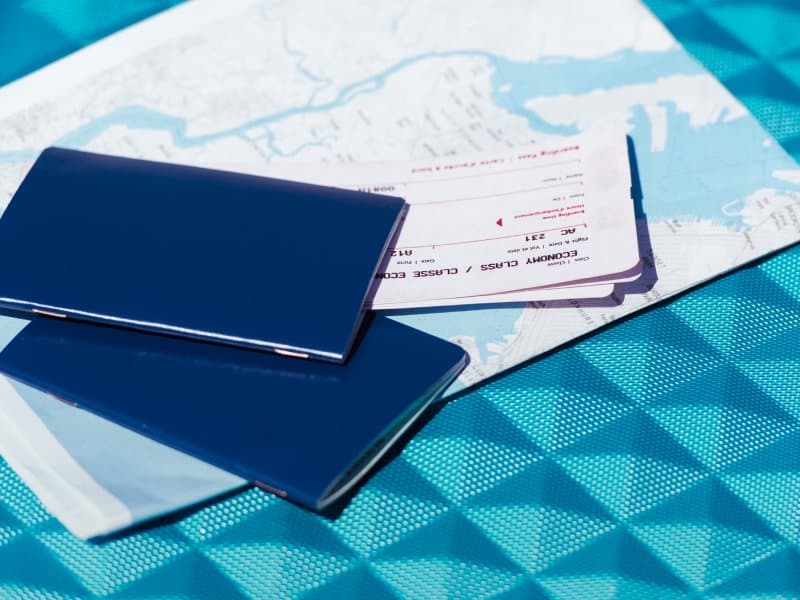
Travel Documents (I-131)
Form I-131 is used to request travel documents including Advance Parole, Refugee Travel Documents, and Re-entry Permits. These documents allow immigrants and certain nonimmigrants to travel abroad and return to the United States.
Who Qualifies
Advance Parole: Adjustment of status applicants, DACA recipients, TPS holders. Refugee Travel Document: Refugees and asylees. Re-entry Permit: Permanent residents who will be abroad for extended periods (1+ year). Each document has specific eligibility requirements.
Key Features
Advance Parole prevents abandonment of pending adjustment applications. Refugee Travel Documents allow travel for refugees/asylees without jeopardizing status. Re-entry Permits maintain resident status during extended absences. Combo card (EAD/AP) often issued with adjustment applications.
Duration
Processing times vary by document type and circumstances. Advance Parole: typically 3-6 months (often combined with EAD). Re-entry Permit: 6-12 months. Biometrics appointment required. Some categories eligible for emergency advance parole for urgent travel.

Contact Our Legal Team
Office Address
1629 K St. N.W.Suite #300
Washington, DC 20006
Phone
+1 (202) 815-2372
Office Hours
Monday – Thursday: By appointment only; no walk-ins.
Friday – Saturday – Sunday: Closed